CREATING A MINIMALIST EDITORIAL FASHION PHOTO WITH AI
Minimalist fashion photography proves that a powerful image does not need a complicated background, dramatic lighting or dozens of visual elements.
Sometimes a concrete wall, carefully positioned subject and large amount of negative space can create a much stronger photograph.
This minimalist editorial fashion AI prompt is designed around that idea. It combines contemporary architecture, monochromatic fashion, soft natural lighting and geometric composition to create a premium editorial portrait.
Instead of filling the entire frame with the subject, the prompt intentionally leaves most of the image empty. This creates the sophisticated visual language often associated with modern fashion campaigns and editorial photography.
WHY NEGATIVE SPACE MATTERS IN EDITORIAL PHOTOGRAPHY
Negative space is one of the most important elements of this prompt.
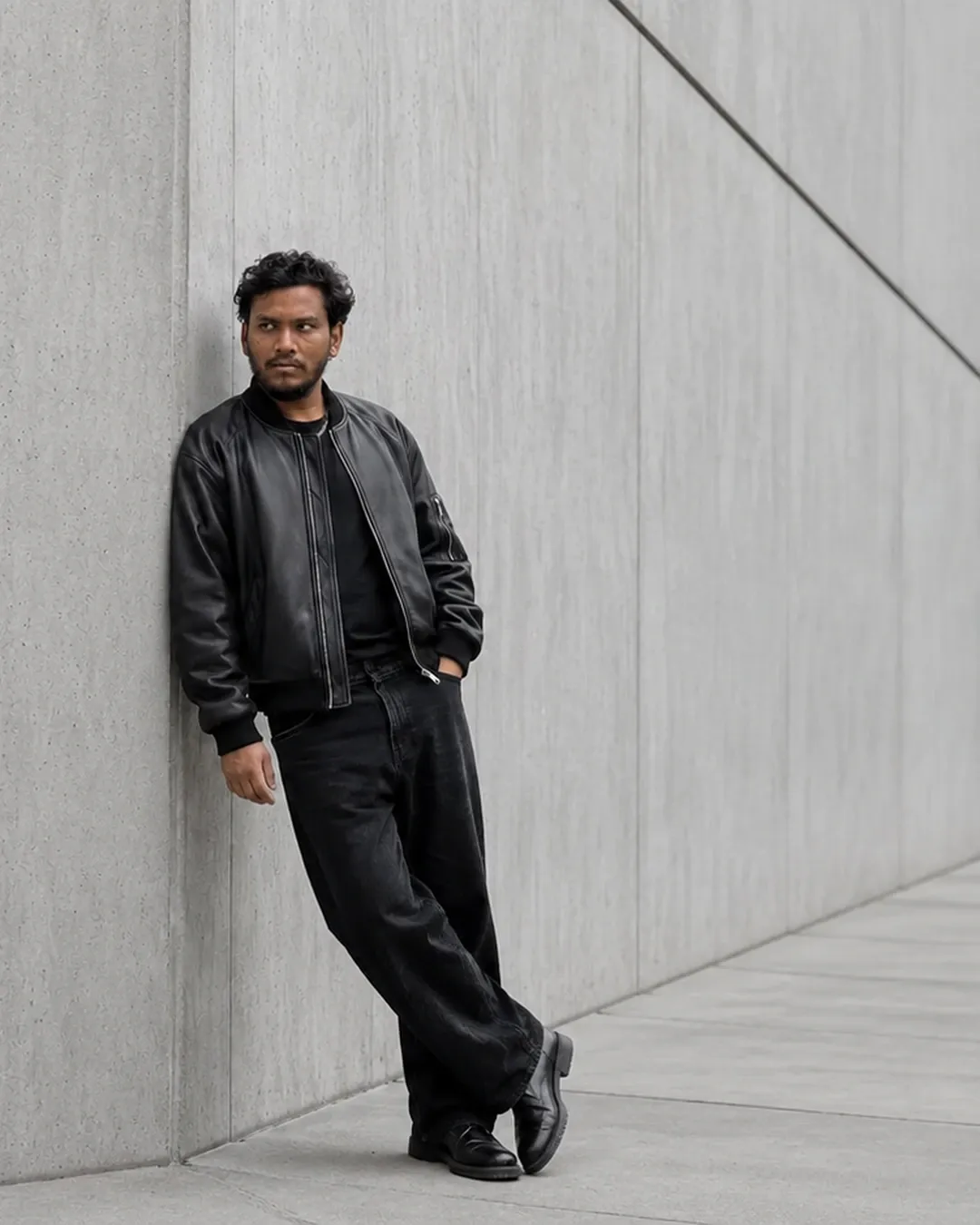
The subject occupies approximately 35–40% of the frame and is positioned toward the bottom-right corner. The remaining space is dominated by a large architectural concrete wall.
This intentionally unbalanced placement creates visual tension while keeping the overall composition clean.
Rather than treating empty space as wasted space, the prompt uses it as an important part of the photograph.
This approach can make the final image feel more premium and editorial than a conventional centered portrait.
CREATING THE MINIMALIST ARCHITECTURAL BACKGROUND
The environment is intentionally simple.
A massive modern concrete wall provides subtle texture without introducing unnecessary distractions.
Neutral grey tones complement the black outfit and help maintain a controlled color palette.
The architecture also introduces geometric shapes and lines into the composition. These elements can guide the viewer's eye toward the subject while preserving the minimalist aesthetic.
The objective is not to create an elaborate location. The architecture acts as a visual framework for the fashion portrait.
WHY THE SUBJECT IS POSITIONED OFF-CENTER
Many standard portraits place the person directly in the middle of the frame.
This prompt deliberately avoids that approach.
Positioning the subject in the bottom-right corner leaves a large open area on the opposite side of the photograph.
The subject then looks toward that empty space, helping connect the person with the composition rather than making the negative space feel accidental.
This gives the image a more intentional editorial quality.
CREATING THE LUXURY FASHION LOOK
The outfit uses a simple monochromatic palette.
An oversized black leather bomber jacket forms the primary fashion element. It is paired with a black crew-neck T-shirt, baggy black denim jeans and minimalist footwear.
Keeping the clothing predominantly black allows texture, silhouette and material to become more important than color.
The oversized jacket and relaxed trousers also contribute to a contemporary fashion-editorial silhouette.
The result should feel understated rather than overly styled.
USING SOFT NATURAL LIGHT
Lighting plays an important role in maintaining the minimalist appearance.
The prompt uses soft diffused natural daylight with an overcast quality.
Instead of dramatic sunlight or strong artificial lighting, the illumination should be smooth and controlled.
This creates subtle highlights on the leather jacket while preserving natural-looking skin tones and realistic contrast.
Avoiding harsh shadows also allows the concrete texture and architectural geometry to remain visible without distracting from the subject.
CREATING A NATURAL EDITORIAL POSE
The pose should feel relaxed rather than theatrical.
The subject leans naturally against the concrete wall with relaxed shoulders. One hand remains inside the pocket while the other rests casually by the side.
The person looks toward the open space rather than directly at the camera.
This creates a calm and confident expression suitable for contemporary editorial photography.
The goal is to make the photograph appear intentionally styled without looking excessively posed.
CAMERA AND COMPOSITION
The prompt uses an eye-level wide-angle perspective with vertical framing.
A 35mm lens direction provides enough environmental context to show the architecture while still keeping the person visually important.
The prompt also references a Canon EOS R5, an RF 35mm f/1.4L lens, f/2.8 and ISO 100 as photographic guidance.
These camera details communicate the desired visual characteristics, but the most important elements remain composition, perspective, lighting and realism.
The architecture should remain clearly visible instead of becoming excessively blurred.
HOW TO GET MORE REALISTIC RESULTS
Start with a clear reference photograph when using an input image.
Look carefully at skin texture, hands, body proportions, clothing edges and the interaction between the subject and wall.
The leather jacket should have believable folds, reflections and material texture.
The concrete wall should contain subtle natural variation rather than looking perfectly smooth or artificially generated.
Avoid excessive skin smoothing and oversaturated color grading.
A successful result should feel like a photograph produced for a real fashion campaign rather than an exaggerated AI artwork.
WHEN TO USE THIS PROMPT
This minimalist editorial fashion prompt works well for:
Luxury fashion portraits
Minimalist photography
Editorial fashion concepts
Magazine-inspired portraits
Urban fashion campaigns
Monochrome fashion photography
Architectural portraits
Social media fashion content
Portfolio photography concepts
AI fashion photography
Personal branding portraits
Creative campaign visuals
FINAL THOUGHTS
Minimalism can make an AI-generated fashion portrait more visually powerful when composition is handled carefully.
Instead of relying on a complex location, this prompt combines a simple concrete environment with strong negative space, monochromatic clothing and soft natural lighting.
The off-center subject placement is particularly important. It creates a visual relationship between the person and the surrounding architecture while giving the image room to breathe.
Combined with realistic materials, natural proportions and restrained color grading, the result should resemble a premium contemporary fashion editorial rather than a conventional AI portrait.
Image GenerationChatGPTBeginner
Minimalist Editorial Fashion AI Prompt for Luxury Photos
Create a minimalist luxury fashion editorial from your photo with concrete architecture, negative space, natural lighting and premium magazine styling.
ADVERTISEMENT
Leaderboard ad placement
How to use this prompt
HOW TO USE THIS PROMPT
1. Upload Your Photo
Choose a clear, high-quality photo where the person is easily visible. A full-body or three-quarter portrait works especially well for this composition.
2. Copy the Prompt
Copy the complete Minimalist Editorial Fashion prompt from Promptesy.
3. Add Your Reference Photo
Upload your photo to an AI image generator that supports reference-image generation.
4. Paste the Prompt
Paste the complete prompt and generate the image.
5. Check the Composition
The person should appear toward the bottom-right of the frame while a large concrete wall creates negative space across the rest of the image.
6. Check the Fashion Styling
Look for a premium black leather bomber jacket, black T-shirt, loose black denim and minimalist footwear.
7. Check the Lighting
The result should have soft diffused daylight without harsh highlights or dramatic artificial lighting.
8. Choose the Best Result
Select the generation with realistic proportions, natural skin, clean architecture and the strongest luxury editorial photography appearance.
1. Upload Your Photo
Choose a clear, high-quality photo where the person is easily visible. A full-body or three-quarter portrait works especially well for this composition.
2. Copy the Prompt
Copy the complete Minimalist Editorial Fashion prompt from Promptesy.
3. Add Your Reference Photo
Upload your photo to an AI image generator that supports reference-image generation.
4. Paste the Prompt
Paste the complete prompt and generate the image.
5. Check the Composition
The person should appear toward the bottom-right of the frame while a large concrete wall creates negative space across the rest of the image.
6. Check the Fashion Styling
Look for a premium black leather bomber jacket, black T-shirt, loose black denim and minimalist footwear.
7. Check the Lighting
The result should have soft diffused daylight without harsh highlights or dramatic artificial lighting.
8. Choose the Best Result
Select the generation with realistic proportions, natural skin, clean architecture and the strongest luxury editorial photography appearance.
Example output
EXAMPLE OUTPUT
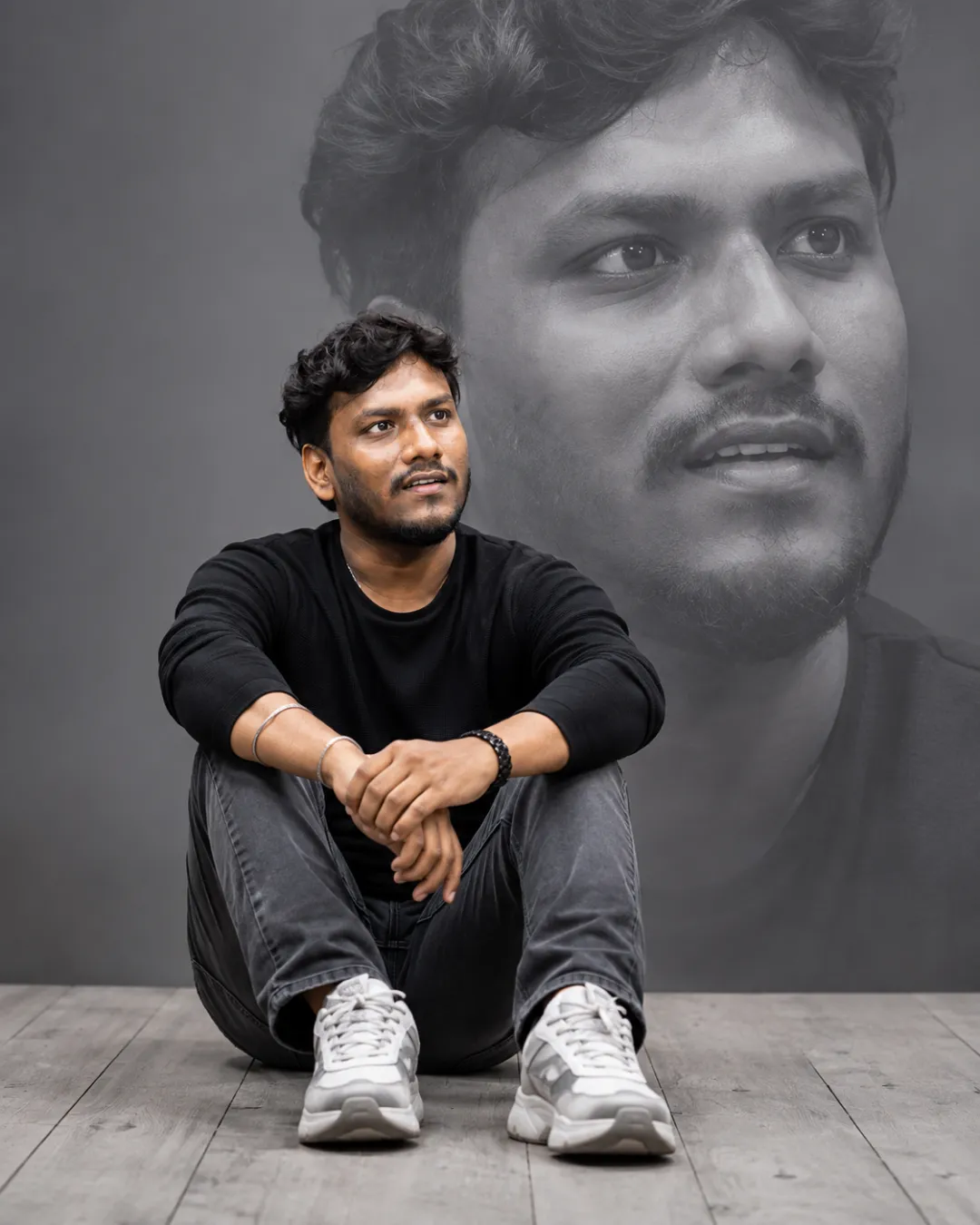
A minimalist luxury fashion portrait featuring the subject positioned toward the bottom-right of a tall vertical composition.
The subject leans casually against a massive textured concrete wall while looking toward the open negative space.
An oversized black leather bomber jacket, black T-shirt and loose black denim create a monochromatic premium fashion look.
Soft overcast daylight produces natural skin tones, subtle highlights and realistic shadows.
The large architectural background and restrained composition give the photograph the appearance of a high-end editorial fashion campaign.
A minimalist luxury fashion portrait featuring the subject positioned toward the bottom-right of a tall vertical composition.
The subject leans casually against a massive textured concrete wall while looking toward the open negative space.
An oversized black leather bomber jacket, black T-shirt and loose black denim create a monochromatic premium fashion look.
Soft overcast daylight produces natural skin tones, subtle highlights and realistic shadows.
The large architectural background and restrained composition give the photograph the appearance of a high-end editorial fashion campaign.
Notes & tips
NOTES & TIPS
Negative Space
Do not fill the entire frame with the person. The large empty architectural area is an intentional part of the composition.
Subject Placement
Keep the subject around the bottom-right area and allow the person to occupy roughly 35–40% of the image.
Architecture
Use clean concrete architecture with subtle realistic texture and minimal visual distractions.
Color Palette
Keep the scene predominantly black, grey and neutral for a premium minimalist appearance.
Lighting
Soft overcast daylight works better than harsh sunlight for this particular editorial aesthetic.
Clothing
Pay attention to realistic leather texture, natural fabric folds and believable oversized proportions.
Realism
Avoid plastic skin, excessive sharpening, distorted hands, unrealistic clothing and overly dramatic color grading.
Negative Space
Do not fill the entire frame with the person. The large empty architectural area is an intentional part of the composition.
Subject Placement
Keep the subject around the bottom-right area and allow the person to occupy roughly 35–40% of the image.
Architecture
Use clean concrete architecture with subtle realistic texture and minimal visual distractions.
Color Palette
Keep the scene predominantly black, grey and neutral for a premium minimalist appearance.
Lighting
Soft overcast daylight works better than harsh sunlight for this particular editorial aesthetic.
Clothing
Pay attention to realistic leather texture, natural fabric folds and believable oversized proportions.
Realism
Avoid plastic skin, excessive sharpening, distorted hands, unrealistic clothing and overly dramatic color grading.
Member comments
No public comments yet. Sign in to leave useful feedback.
KEEP EXPLORING
View all Related prompts