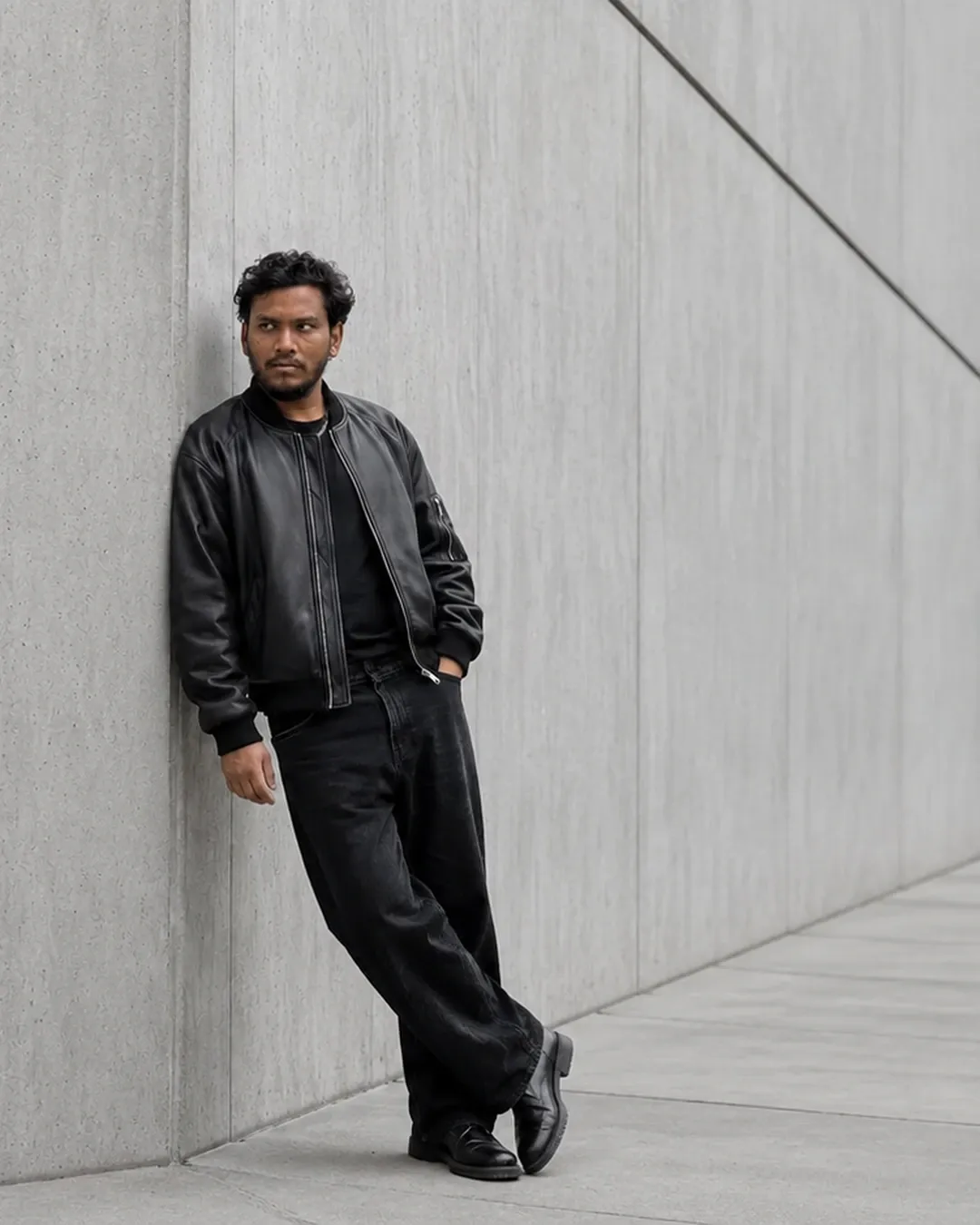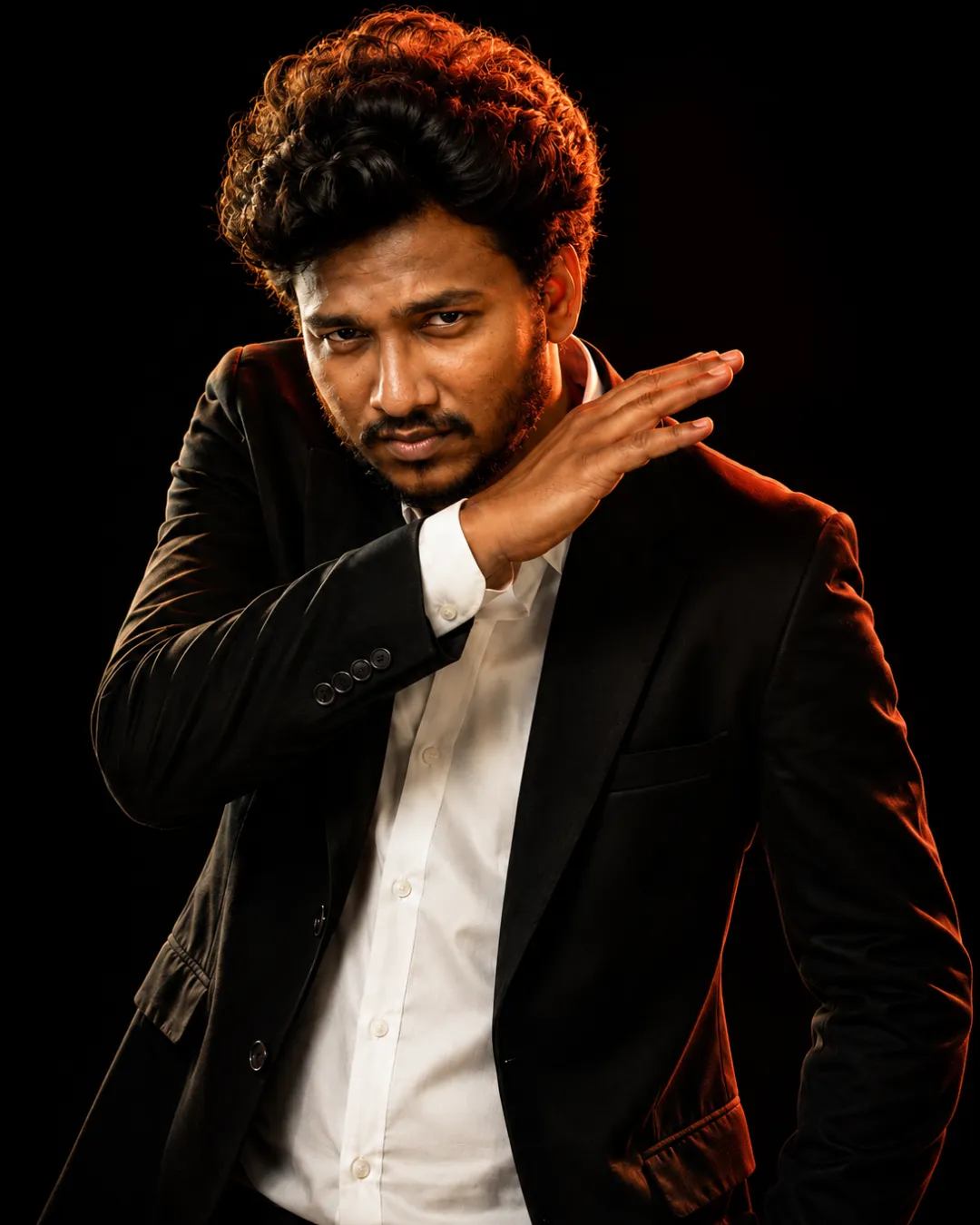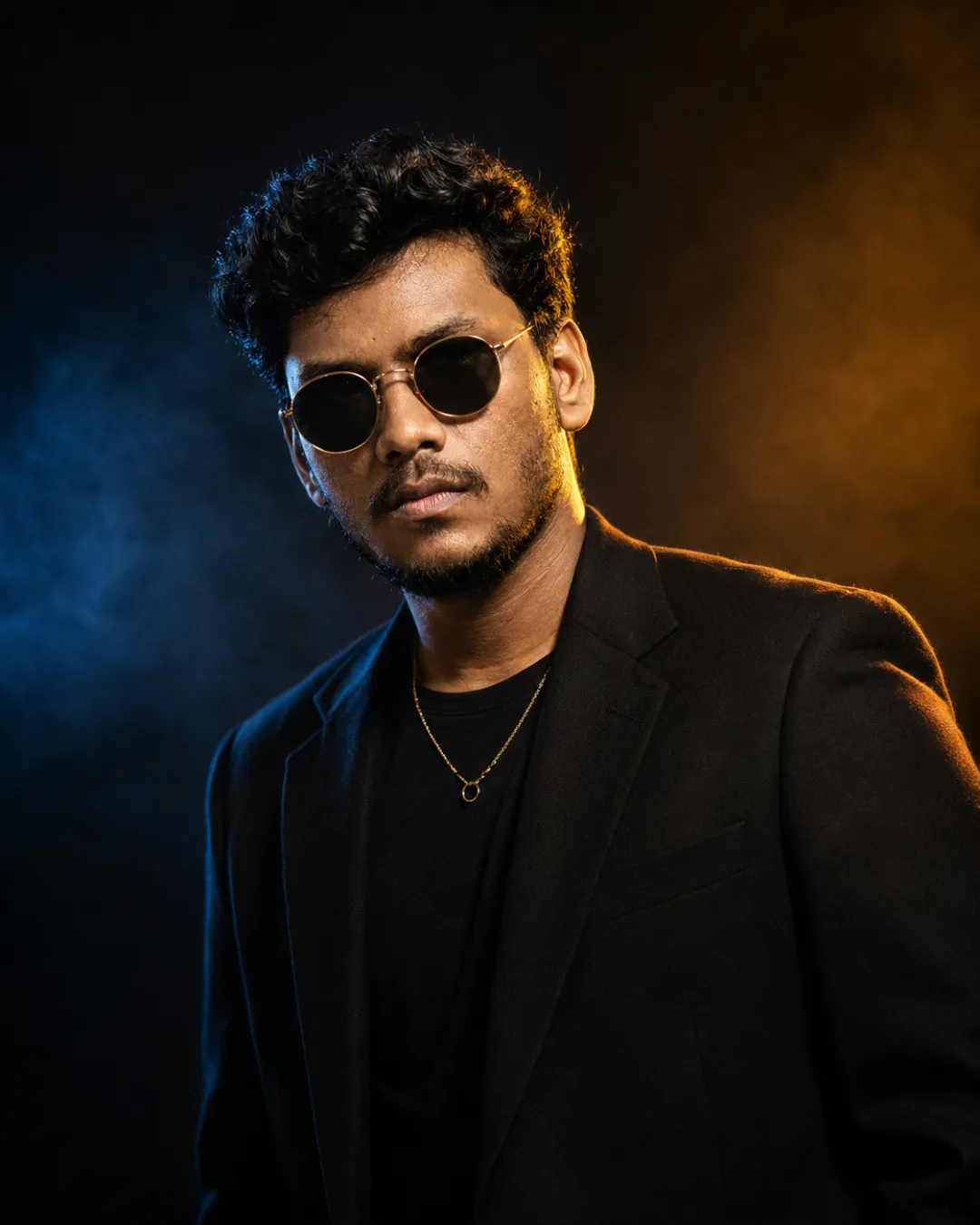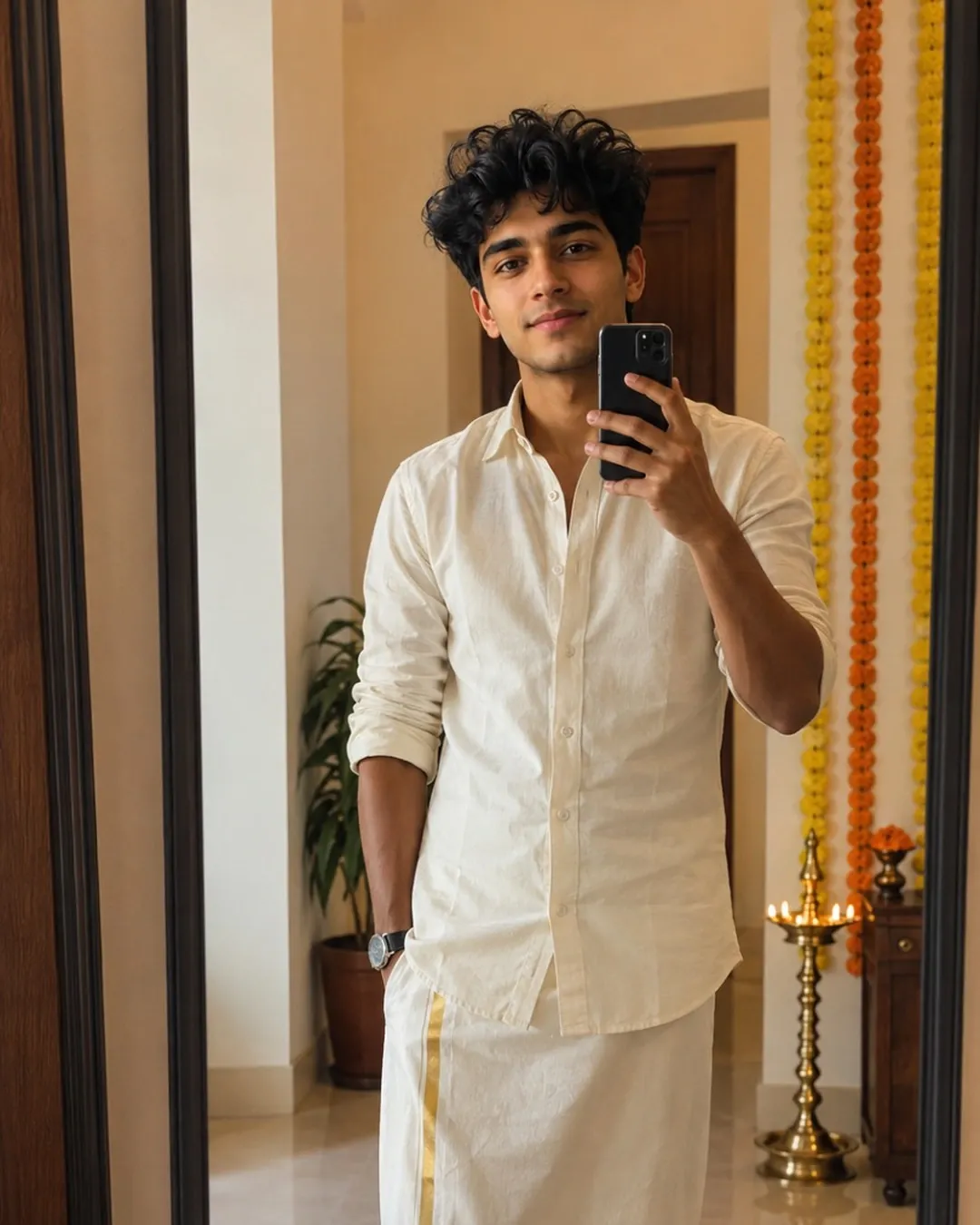
Creating a cinematic portrait with AI can produce impressive results, but achieving a realistic image while preserving the identity of the person in a reference photograph requires careful prompting.
This dark brown cinematic horse portrait prompt is designed to combine realistic identity preservation with a powerful editorial photography concept. Instead of creating a generic AI character, the prompt uses the uploaded photograph as the primary reference for the person's facial identity.
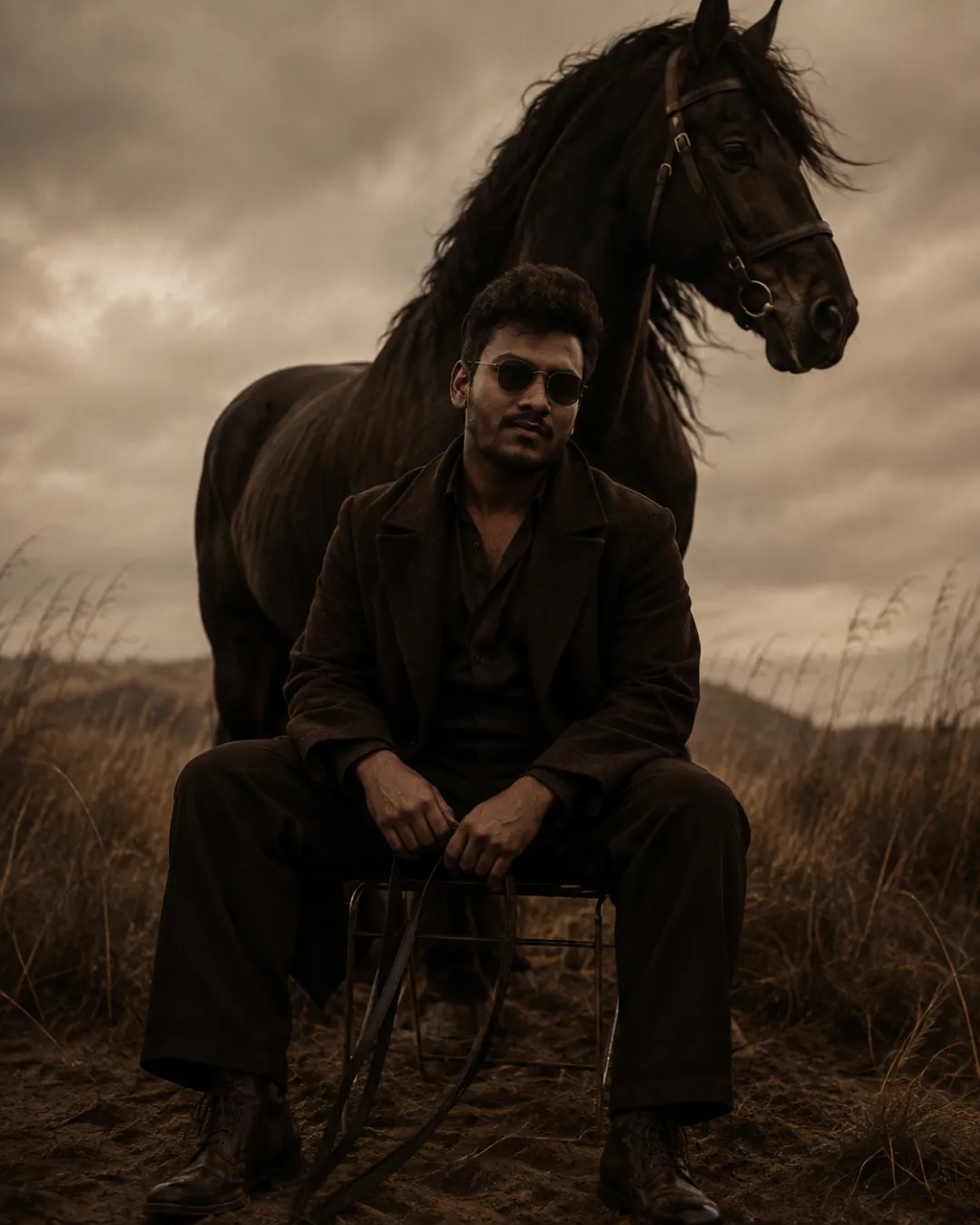
The visual concept places the subject in a natural outdoor environment with a large dark horse positioned directly behind them. The combination of the human subject, horse, wild grass, muted sky, and dark clothing creates a dramatic visual story.
The brown color palette is an important part of the overall aesthetic. Rather than using traditional black-and-white photography, the image uses deep chocolate brown, espresso, earthy brown, taupe, and soft cream tones. This gives the portrait a warmer and more luxurious cinematic appearance while maintaining the dark atmosphere.
Identity preservation is one of the most important parts of the prompt. AI image generators can sometimes change facial structure, skin texture, hairstyle, or proportions when transforming a reference photograph. The prompt therefore places the original person's identity at the highest priority.
The instructions specifically tell the image model to preserve facial structure, proportions, skin texture, age, and identity. It also prevents unnecessary beautification or facial redesign.
The subject is placed on a simple metal chair surrounded by tall wild grass and uneven ground. The natural environment is intentionally kept raw and uncomplicated. There are no modern buildings, vehicles, or distracting objects.
The pose is designed to feel relaxed rather than heavily staged. A slight forward lean, dropped shoulders, naturally positioned legs, and relaxed hands create the feeling of a genuine editorial photograph.
The dark horse is an important visual element. It stands close behind the subject so that the two silhouettes visually connect. The horse is intended to feel powerful and majestic rather than decorative.
Its dark espresso and chocolate-brown coat works with the overall color palette. The mane moves gently in the wind while the simple leather bridle adds a subtle detail without making the horse look overly styled.
Lighting also plays an important role in the final result. The prompt uses naturally diffused overcast daylight instead of harsh direct sunlight. This creates soft shadows and allows the dark clothing and horse to retain realistic texture.
The sky remains pale and muted, creating negative space around the darker subject and horse. This contrast helps the main elements stand out without requiring artificial lighting effects.
The clothing follows a quiet luxury approach. A dark-brown wool coat, deep espresso shirt, wide-leg trousers, dark leather boots, and minimal sunglasses create a sophisticated editorial appearance.
Instead of using bright fashion colors, the clothing remains within the dark brown spectrum. This keeps the visual style consistent and allows the environment and horse to become part of the same cinematic composition.
Natural texture is another important factor in creating realism. The prompt asks for visible skin texture, realistic fabric, natural horse anatomy, subtle film grain, and authentic photographic imperfections.
These details help prevent the image from looking like a digital illustration or overly polished AI artwork.
The negative prompt also removes common generation problems such as distorted anatomy, extra limbs, malformed fingers, warped reins, unrealistic textures, excessive skin smoothing, oversharpening, and artificial backgrounds.
It also prevents unwanted color grading such as strong blue, purple, red, or orange tones. This is important because the intended visual style depends on a controlled brown and espresso palette.
The final image is intended to feel like a premium editorial photograph. The combination of natural surroundings, luxury styling, a powerful horse, deep brown tones, soft overcast lighting, and cinematic contrast creates a strong visual identity.
This type of prompt can be useful for creative photography concepts, personal branding, fashion editorials, social media portraits, cinematic artwork, portfolio projects, and experimental AI photography.
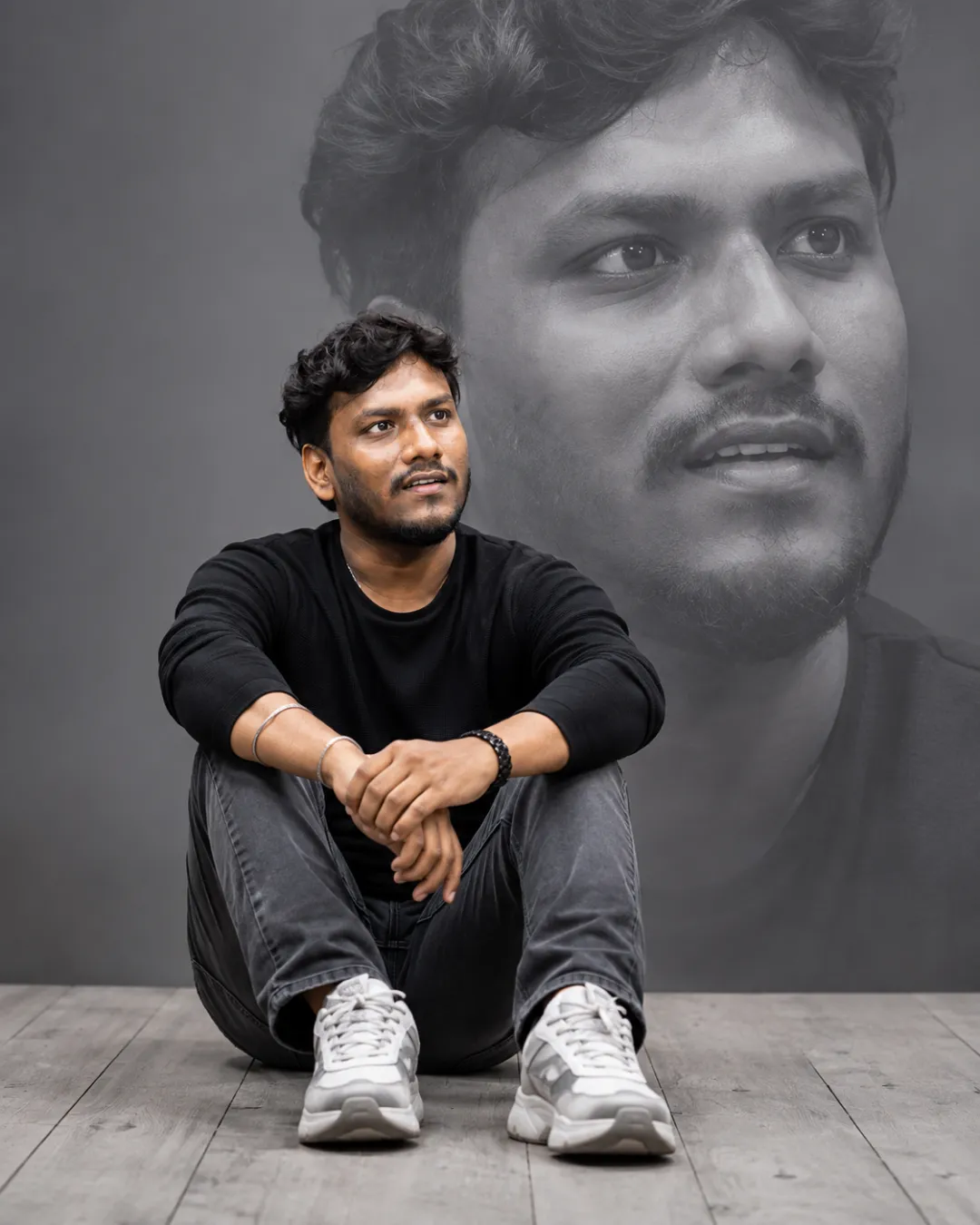
For the best results, start with a clear reference photograph. The face should be visible and reasonably well lit so the image model has enough information to preserve the person's identity.
If the first generation changes important facial details, regenerate using the same reference image and prompt. Avoid adding unnecessary style instructions that could compete with the identity-preservation requirements.
The main strength of this prompt is the combination of strict identity preservation and a clearly defined visual direction. Instead of simply asking an AI model to create a dark portrait with a horse, every major part of the scene is described — from the pose and clothing to the horse, environment, lighting, color palette, and photographic texture.
The result is designed to feel like a carefully planned luxury editorial photograph while still maintaining the natural identity of the person in the original reference image.
Image GenerationChatGPTIntermediate
Dark Brown Cinematic Horse Portrait AI Prompt
Create a dark brown cinematic horse portrait with realistic identity preservation, editorial styling, natural textures and dramatic outdoor photography.
ADVERTISEMENT
Leaderboard ad placement
How to use this prompt
Upload a clear reference photograph of the person.
Copy the complete prompt and paste it into your preferred AI image generation tool.
Make sure the uploaded photograph is used only as the identity reference.
Generate the image and check whether the person's facial identity, proportions, skin texture, and overall appearance remain accurate.
If the first result is not accurate enough, regenerate using the same reference image and prompt.
For the most realistic result, use a high-quality reference photograph with the face clearly visible.
Copy the complete prompt and paste it into your preferred AI image generation tool.
Make sure the uploaded photograph is used only as the identity reference.
Generate the image and check whether the person's facial identity, proportions, skin texture, and overall appearance remain accurate.
If the first result is not accurate enough, regenerate using the same reference image and prompt.
For the most realistic result, use a high-quality reference photograph with the face clearly visible.
Example output
A dark cinematic outdoor portrait of a person sitting naturally on a minimalist metal chair in a wild grassy field, with a powerful dark horse standing directly behind them.
The image uses a rich brown and espresso color palette with deep shadows, soft overcast daylight, subtle film grain, natural textures, and an atmospheric editorial photography style.
The subject wears a dark luxury outfit while the horse creates a strong royal silhouette behind them. The final composition feels mysterious, powerful, timeless, and photorealistic.
The image uses a rich brown and espresso color palette with deep shadows, soft overcast daylight, subtle film grain, natural textures, and an atmospheric editorial photography style.
The subject wears a dark luxury outfit while the horse creates a strong royal silhouette behind them. The final composition feels mysterious, powerful, timeless, and photorealistic.
Notes & tips
Use a clear reference photograph where the person's face is visible.
Keep identity preservation as the highest priority when generating the image.
Use a brown-toned color palette instead of grayscale for a warmer cinematic appearance.
Avoid excessive lighting effects because the concept depends on controlled natural contrast.
Keep the horse slightly softer than the subject so the person remains the main visual focus.
Use realistic skin texture and fabric details to prevent an artificial AI appearance.
If facial identity changes, regenerate with the same reference image instead of adding more unnecessary style instructions.
For a premium editorial appearance, keep the environment raw, minimal, and free from modern distractions.
Keep identity preservation as the highest priority when generating the image.
Use a brown-toned color palette instead of grayscale for a warmer cinematic appearance.
Avoid excessive lighting effects because the concept depends on controlled natural contrast.
Keep the horse slightly softer than the subject so the person remains the main visual focus.
Use realistic skin texture and fabric details to prevent an artificial AI appearance.
If facial identity changes, regenerate with the same reference image instead of adding more unnecessary style instructions.
For a premium editorial appearance, keep the environment raw, minimal, and free from modern distractions.
Member comments
No public comments yet. Sign in to leave useful feedback.
KEEP EXPLORING
View all Related prompts